Submit
About — The Artifact Index

Artifacts over authorship.

The work, its resonance, and the world it opens matter more than any singular creator. The Artifact Index is the living record of that work — a public dataset of creative practice, kept in the open as it is being made.

01 What this is

The Artifact Index is the public surface of Artifice NYC's archive. It captures the conditions of creative production — who made a piece of work, where, alongside what, with what materials, in what mode — rather than only the finished output.

Most cultural archives index outputs: paintings, books, films, exhibitions. The Index instead treats process as the cultural object. Each entry carries full provenance and is structured so that artifacts, their makers, and the spaces that held them remain readable in relation.

It is in beta. The schema is open. The corpus grows with each chapter.

02 Mission

Artifice NYC is a 501(c)(3) cultural organization that uses science fiction as a method of public research — through exhibitions, residencies, and a living archive of creative practice.

The through-line is the phrase method of public research. Science fiction here is not a genre or an aesthetic. It is a working method — speculation as a way of prototyping social, aesthetic, and ecological possibilities, then returning evidence to the present.

The Index is the third of the three named program types. The exhibitions are Chapters and nodes. The residencies seed the practitioners. The Index keeps the record.

03 Vision

A cultural landscape where technology and art are treated as tools of science fiction — an active method for social, aesthetic, and ecological research and development. Through exhibitions, residencies, and labs, Artifice builds the environments where these experiments take form, offering new ways to perceive, inhabit, and care for the world.

The closing cadence — perceive, inhabit, and care for the world — sets the standard for what counts as research here. Anything that does not move toward those three verbs is not the work.

04 Method

Each artifact is presented in one of two modes:

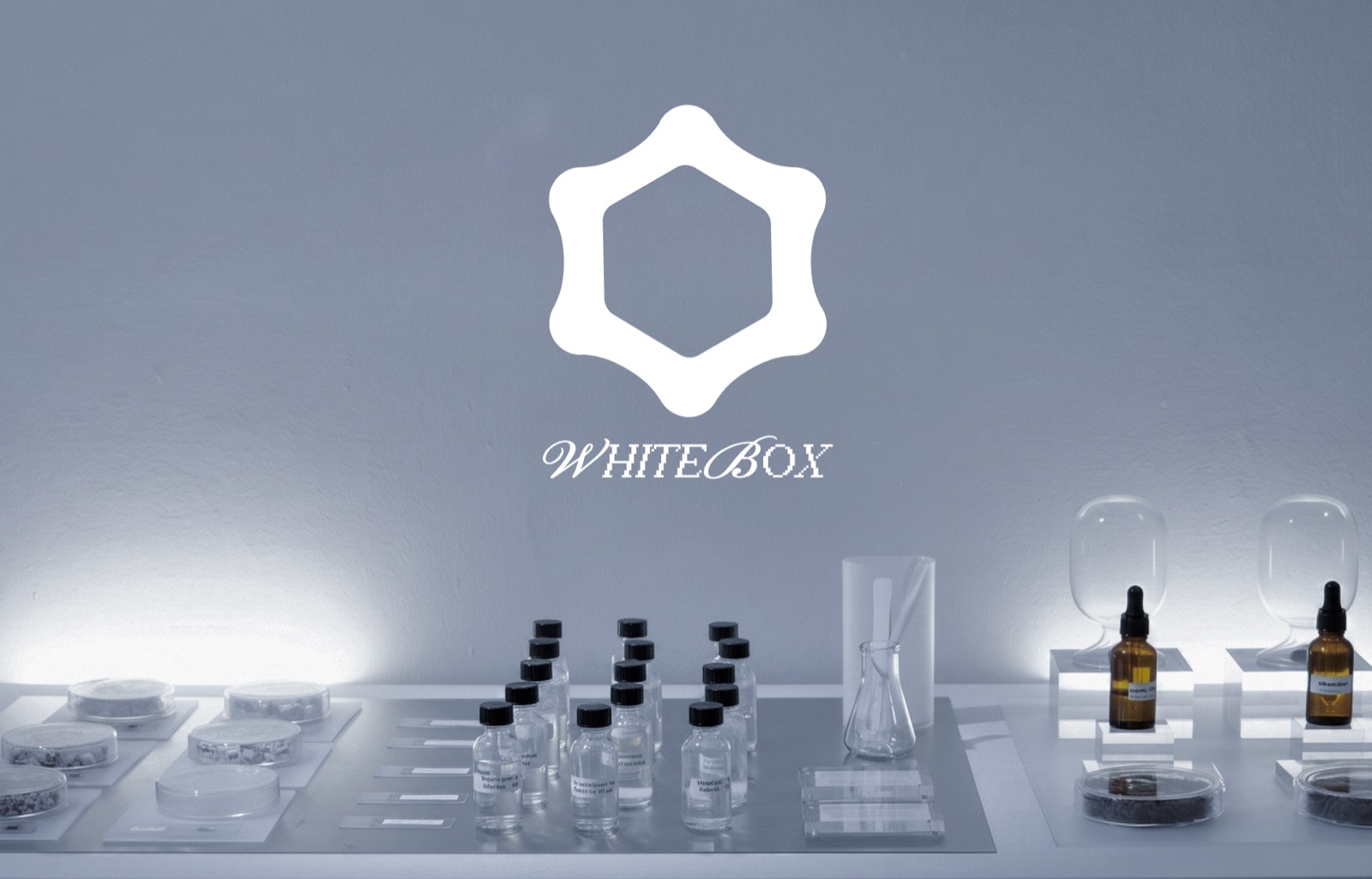
WHITEBOX
The lab. Process visible, materials labeled, the artifact rendered legible to an audience that wants to understand how a thing was made.
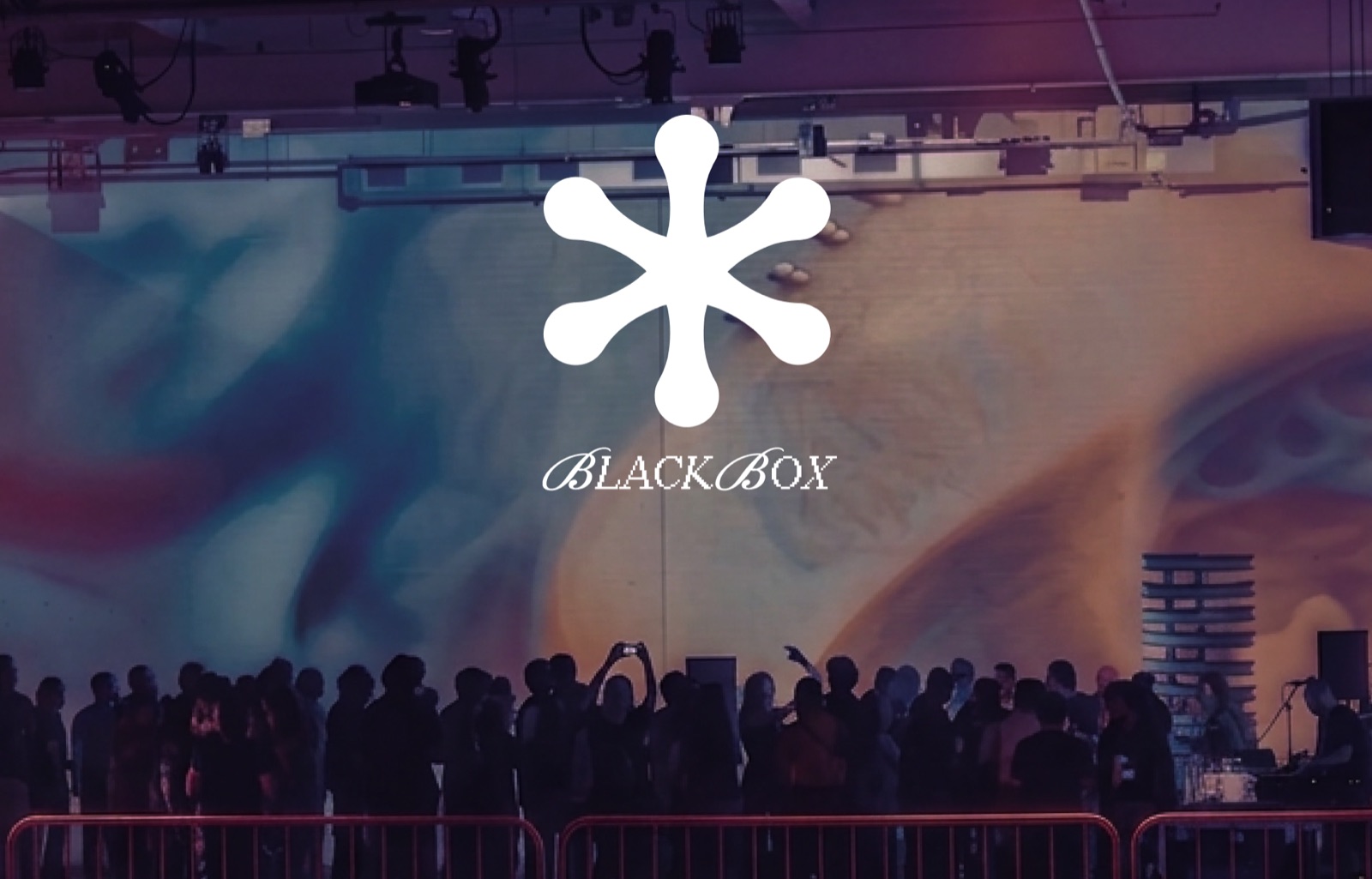
BLACKBOX
The stage. The same artifact rendered as experience, performance, encounter — process held back so the work can be felt before it is explained.

The dual mode is non-negotiable per record. An artifact lives in one or the other; it does not toggle. The friction between the two modes is the curatorial work.

05 The four-system pipeline

The Artifice archive runs as a sequential pipeline. Each system has a defined job; they don't overlap.

RADAR [scout] PROFILES [connect] ATLAS [locate] INDEX [archive]

When a record advances along the pipeline, it moves between systems — it is not duplicated.

06 Schema

Every artifact carries a shared schema. This is the working version; new fields are added as the practice demands them, and the changelog is kept in the open.

FieldDescription
idStable slug or source identifier.
codeSequential index code (A1, A2 …) for reference and citation.
titleArtifact title as titled by its maker.
typeForm — installation, performance, talk, object, digital, protocol, environmental.
modeWHITEBOX or BLACKBOX. Mutually exclusive.
entityArtifice NYC, Studio Artifice, or Both.
sourceWhere the record originated — a chapter, a node, a research import.
authorsReferences into PROFILES. One artifact, one or more named makers.
descriptionShort text from the maker, edited lightly for the Index.
eventThe program the artifact appeared in, if any.
event_datesThe window of presentation.
venueWhere it was held.
locationThe room, wall, or position within the venue.
durationRun time, if time-based.
rightsDocumentation and reuse permissions on file.
statusPublished, Draft, or Archived.
date_addedWhen the record entered the Index.

Profiles, Spaces (Atlas), and Programs run on parallel schemas, joined by id references.

07 Provenance and consent

Profiles are non-negotiable. Every artifact in the Index references the practitioners who made it, by name, by record. Consent is captured before a record is published; practitioners can request removal or restrict views at any point.

No surveillance use. No extractive licensing. AI use, when present, is named in the description and compensated through the program that produced the work.

08 Current state

Twenty-one artifacts from nodes:ii (Onassis ONX, April 2026) are indexed with their provenance, descriptions, and authoring profiles. A working seed of forty-one additional records — drawn from the Are.na channel that catalogs related practice — is held alongside as reference material.

The Chapters series (001–005) and additional nodes editions enter the Index as their documentation completes. The schema and the data both remain in beta until enough records exist to expose the relations the Index is designed to surface.